A culture that infuses the city
Afro-rio
in the eye of the camera
Rodger Randle
These photos in this small collection do not begin to be comprehensive of all that is to be seen or said about the Afro experience in Rio de Janeiro, but they are offered as simple photographic notes about what I, an outsider, have seen and about what I have made of what I saw.
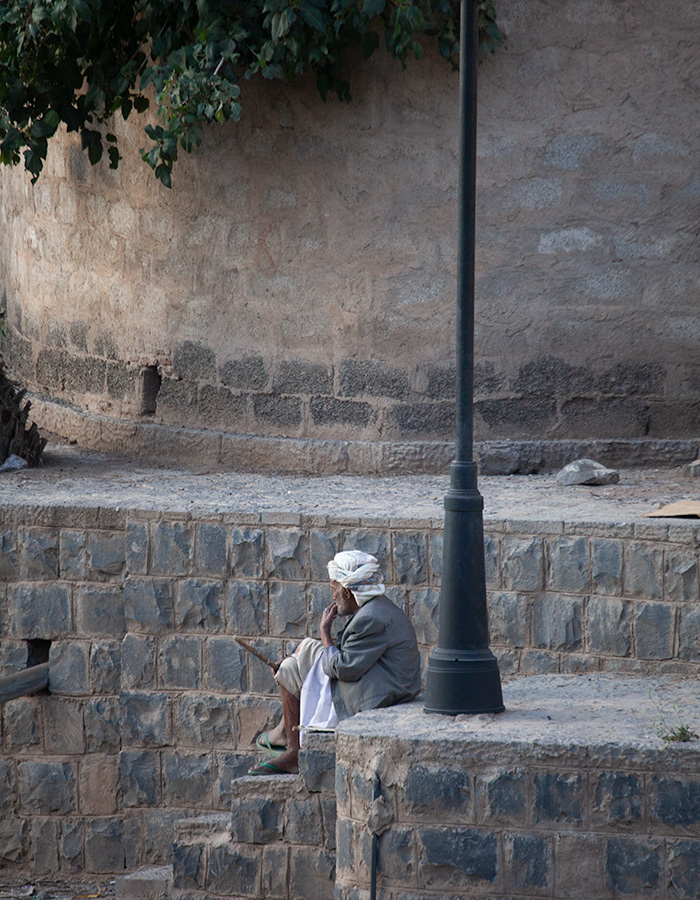
This is a test photo from Sana'a.
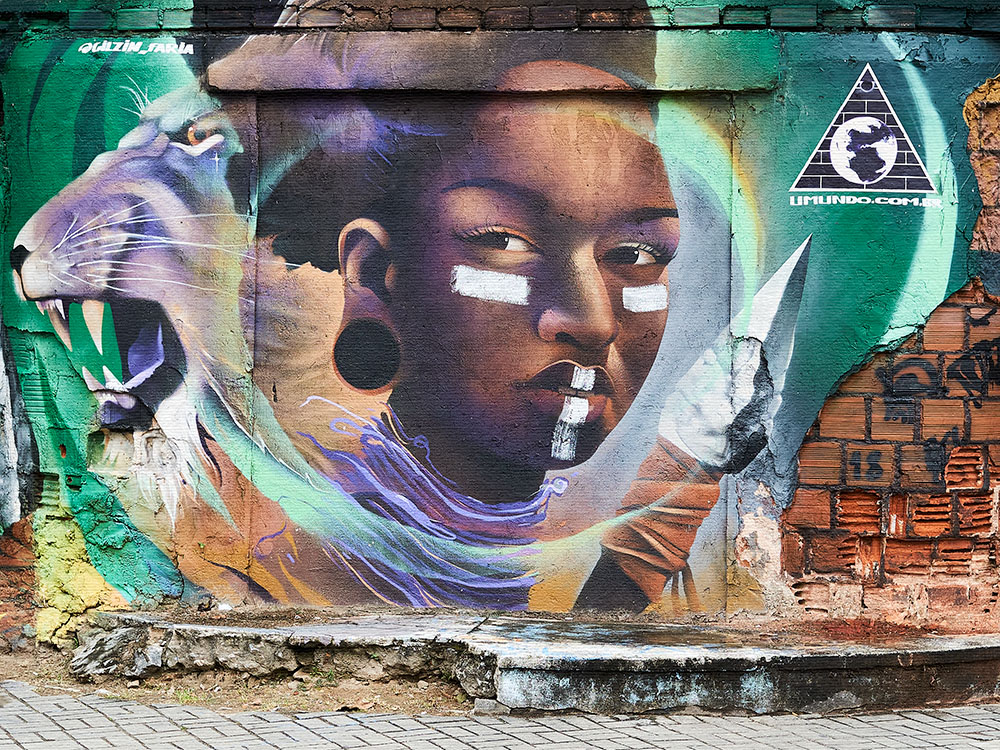
The fierce and defiant look of this lady reflects a modern attitude of Afro pride of her heritage and a readiness to defend her rights in a society where Afro-Descendents still face prejudice and discrimination (as Afro-Americans do).
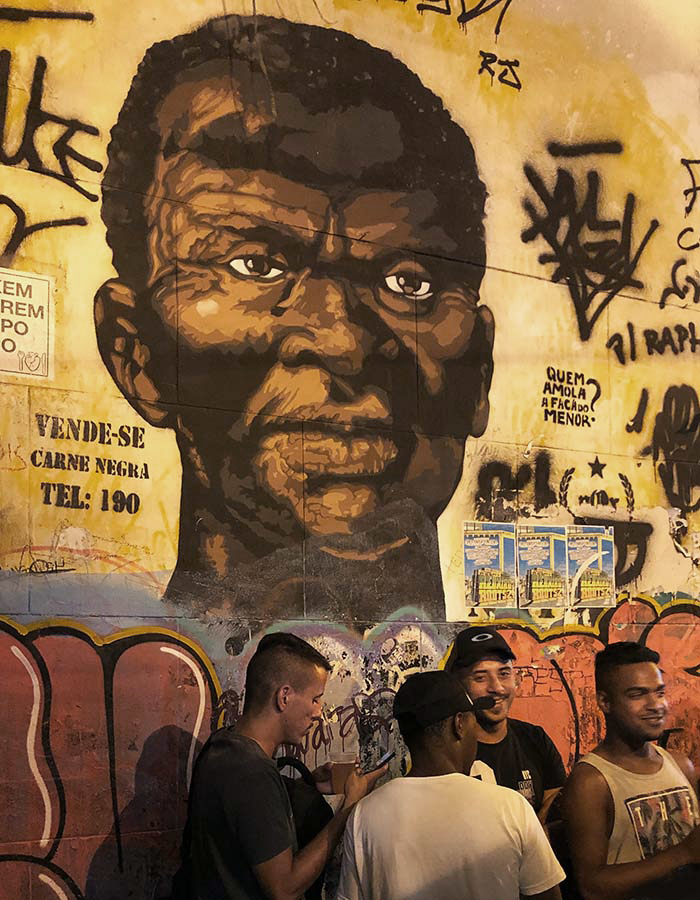
This large painting is at the Salt Rock in Rio, a place where salt was sold in the early days of the city and that was a center of an Afro-Descendent community.
The large face represents the slave trade of the early period, also associated with the Salt Rock. The graffiti in stencil type by the face says "Black meat for sale, telephone 190" ...also a reference to the sale of slaves. On the other side of the face is written: "Who sharpens the knife of minors?"
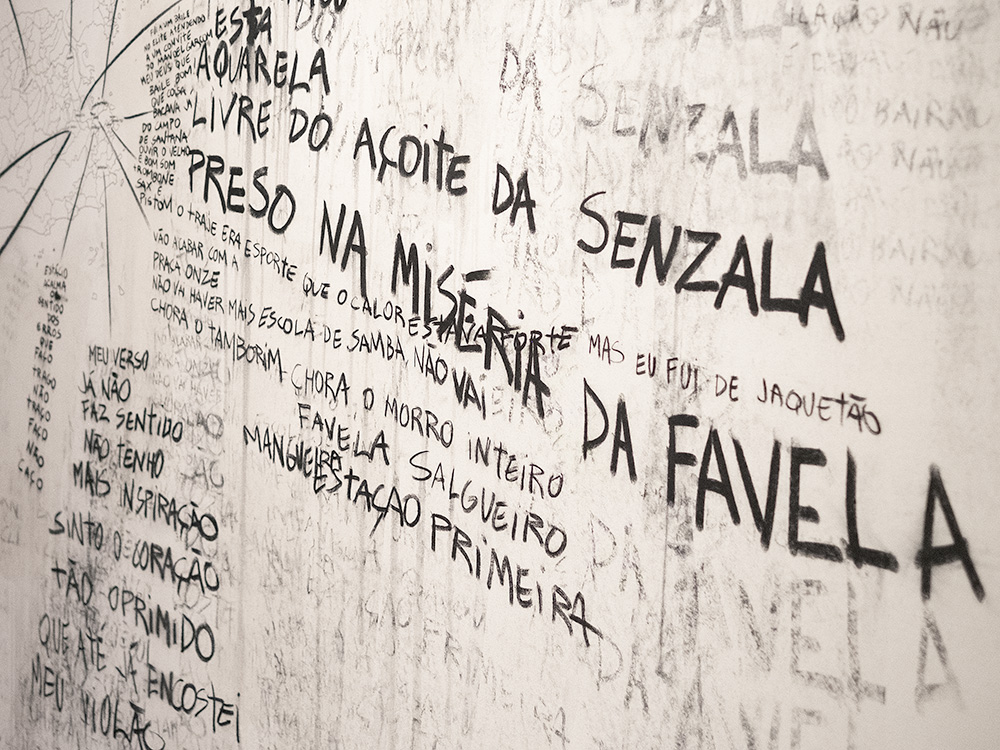
"Free from the whip of the slave quarters, trapped in the misery of the favela (ghetto)" are the words in large letters on this board in a city center museum. People are encouraged to share their feelings by writing on the board and it was constantly changing as people erased older entries and wrote new ones. In smaller letters on the left is a poem, "My Verse": It doesn't make sense anymore / I don't have inspiration / I feel my heart so tormented that I have have set aside my guitar.
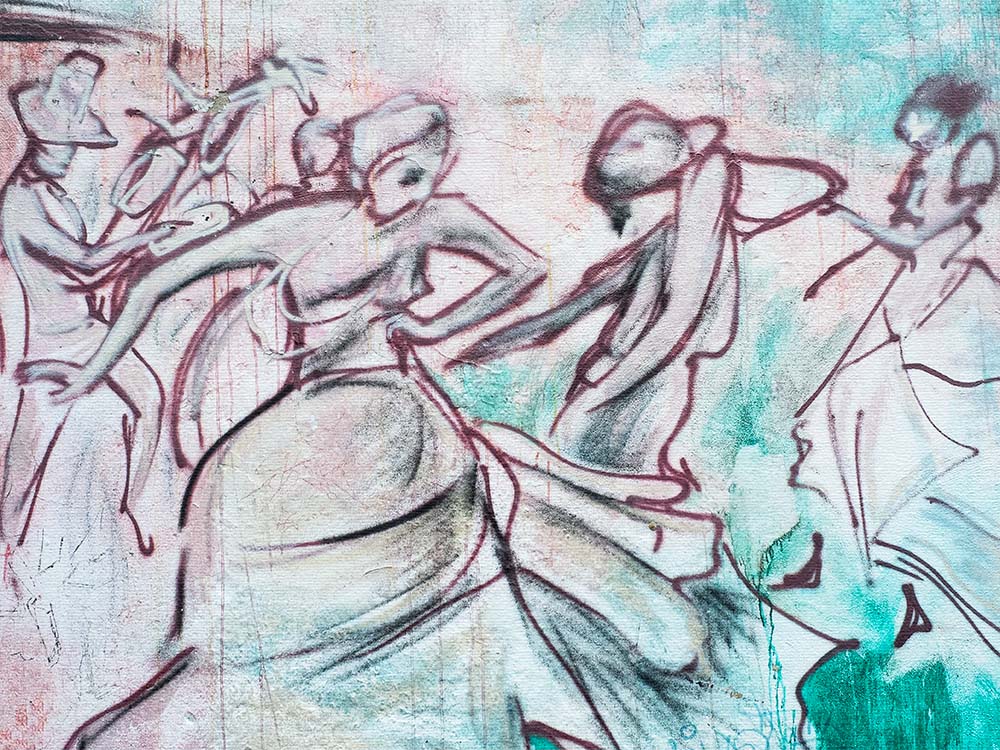
Graffiti with images of protest are mixed in the city with images like this one of dancing and joyful cultural affirmation.
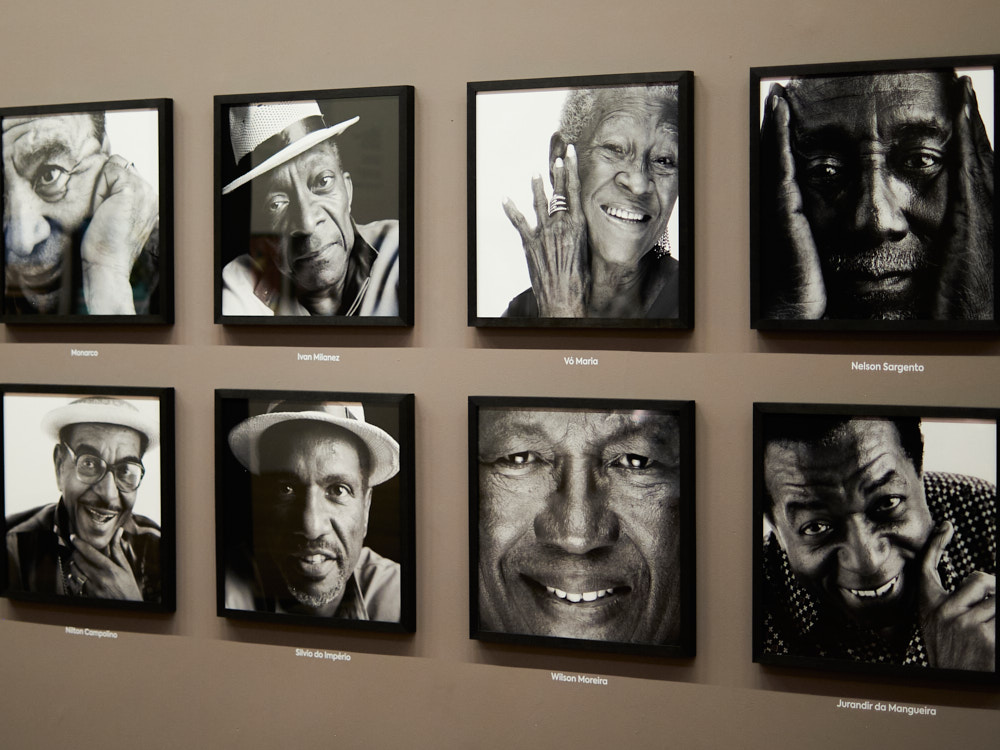
A wall of photographs of famous figures of the world of samba, a dance with African roots that is synonymous with Brazil.
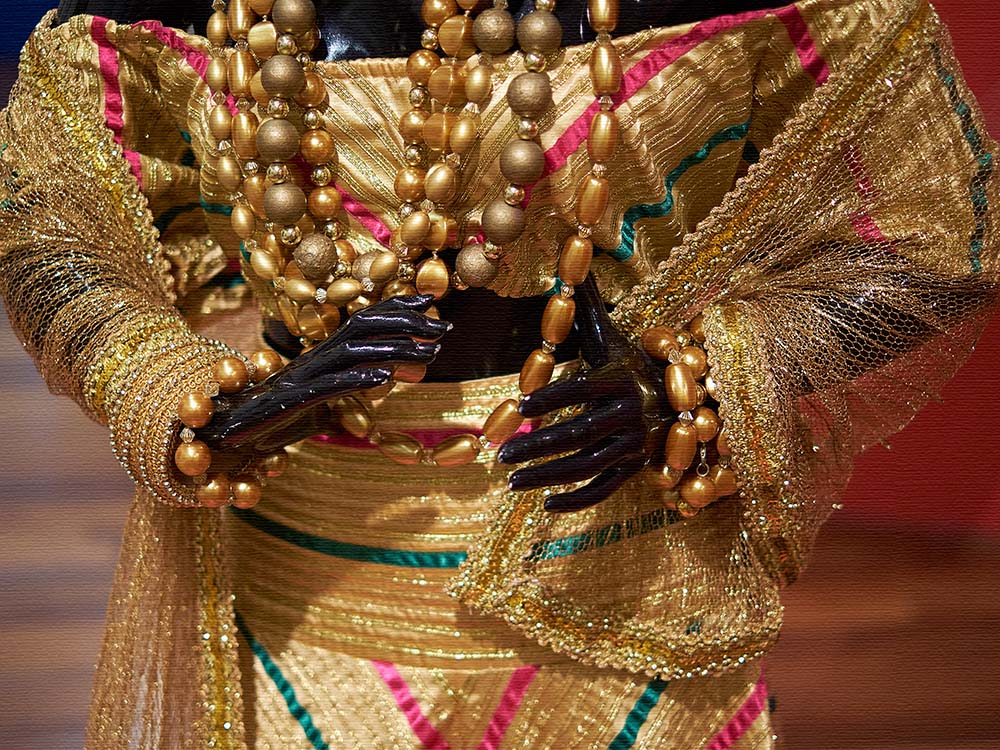
This mannequin shows the finery and elegant style of an Afro-Descendent woman, possibly dressed for Carnaval.

This mannequin shows the elegant style of an Afro-Descendent man of an earlier era.
My first experience with Brazil was as a Peace Corps Volunteer many, many years ago. I was stationed in the far Northeast of Brazil in the city of Recife, in those days the third largest city in Brazil. Despite Recife's large size and importance, it was connected to the rest of the country by dirt roads. Coastal travel in earlier times was by ship. I lived in a poor neighborhood on the outer edge of the city. Recife not in a part of the country with a heavy Afro-Descendent influence, but a significant part of the population had some degree of African ancestry.
During this time I visited Salvador da Bahia, the traditional center of Afro culture in Brazil, and began to learn more about the role of Afro-Descendents in the cultural formation of the country.
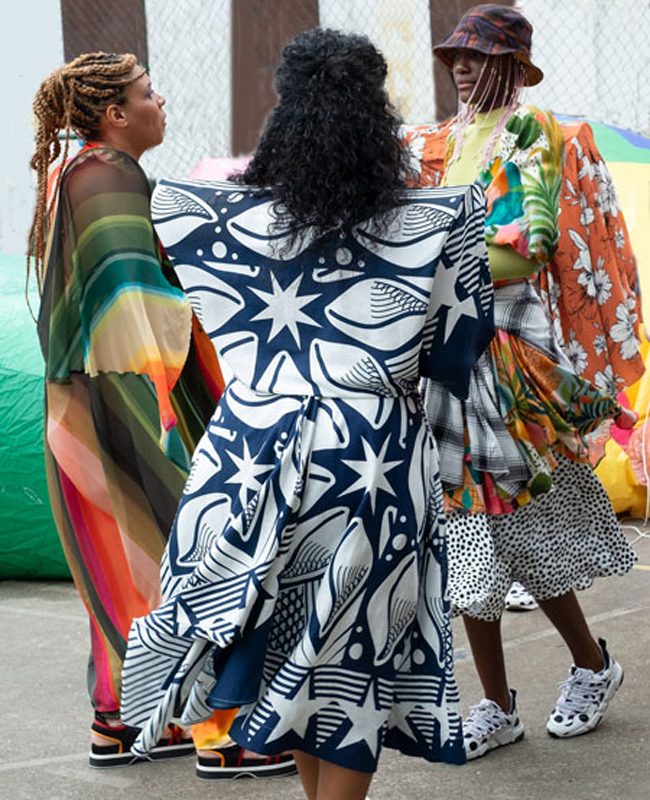
The people photographed here are actually professional models filming an advertising commercial for clothing by a prominent Afro-Brazilian designer. The purchasers of these fashions will be upper income Brazilians, perhaps of European descent.
I came upon the filming while wandering the streets, and they were kindly tolerant of me and my camera.
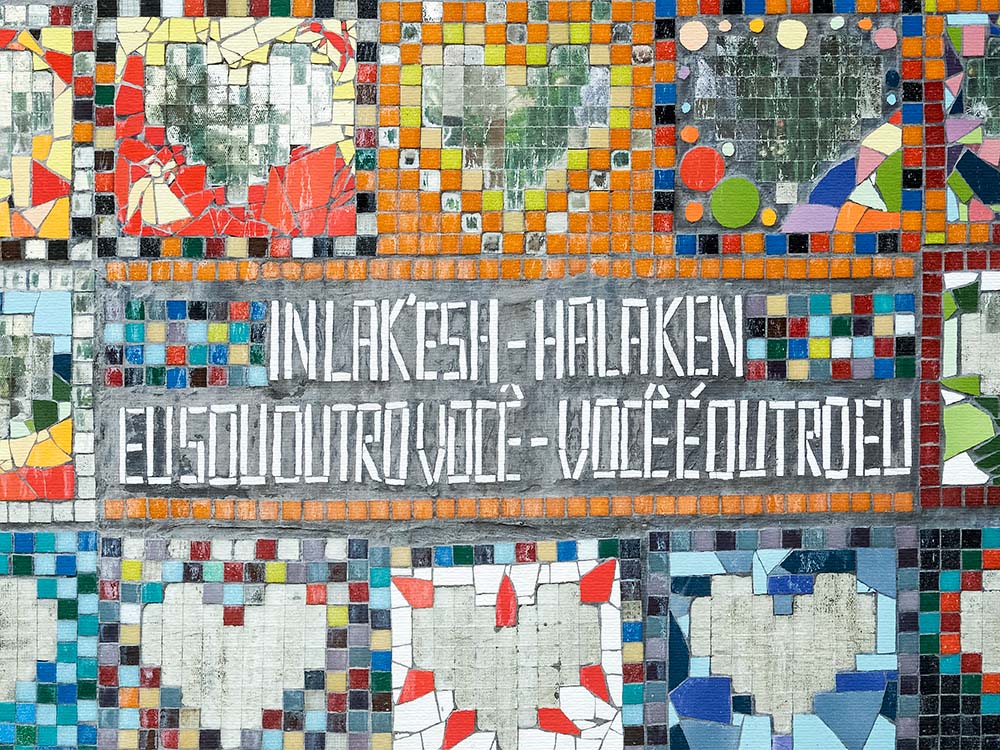
"I am the other you. You are the other me." is what the words on the tiles reads. Many of the tiles have broken off but this would have been a really beautiful wall of colored tiles in its day, though still attractive. It is near the Salt Rock, and it is another appeal on a public wall for acceptance and mutual respect among peoples (see my photo essay on the same theme:
People Like Me or, in Portuguese,
Pessoas como Eu ).
The language on top may be language African since the location is near the Salt Rock, but I don't recognize it.
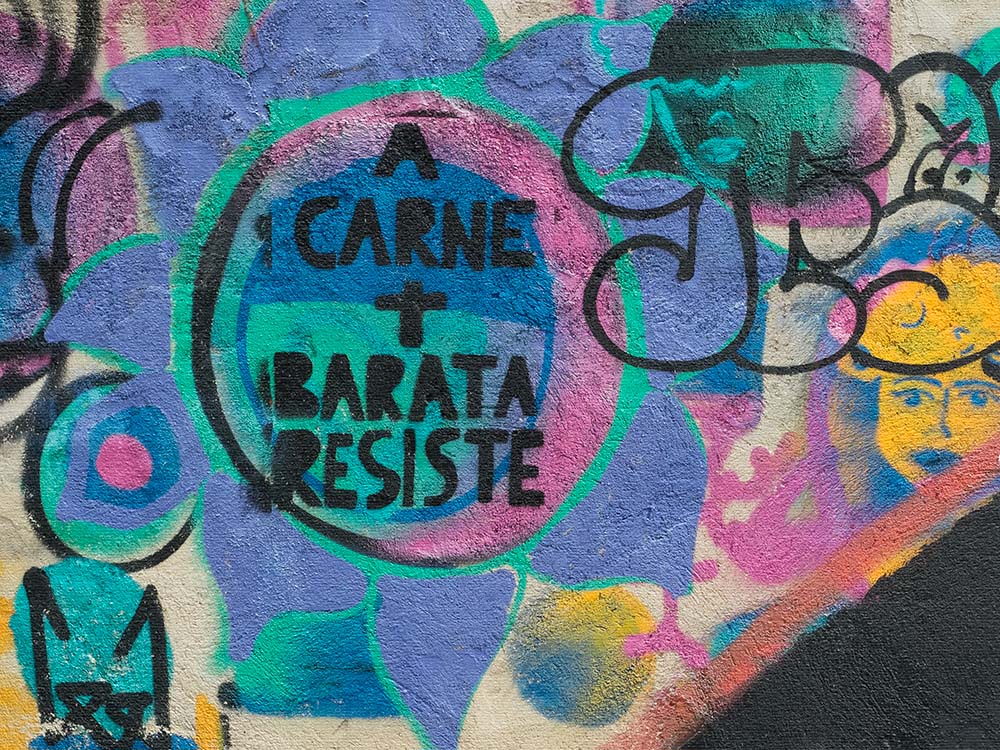
This is a cheerfully colorful graffiti, but the message is a protest one: "The cheapest meat endures." ...another statement of resistance and survival on the part of the slave descendent population.
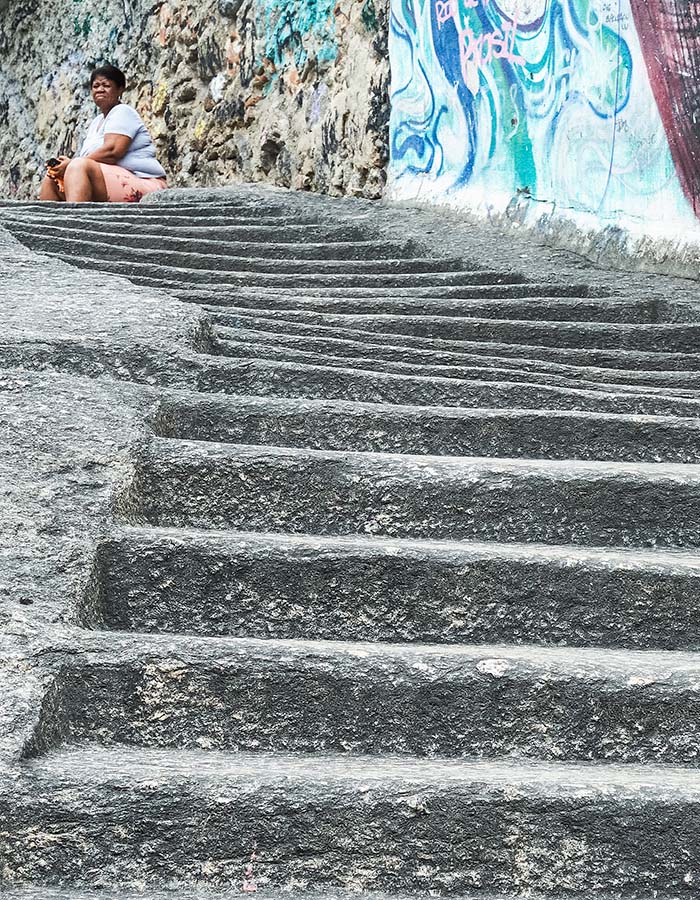
These are old steps, worn from use, hand cut into the Salt Rock leading to the top of the rock. The steps are a reminder of the age of this area of Rio.
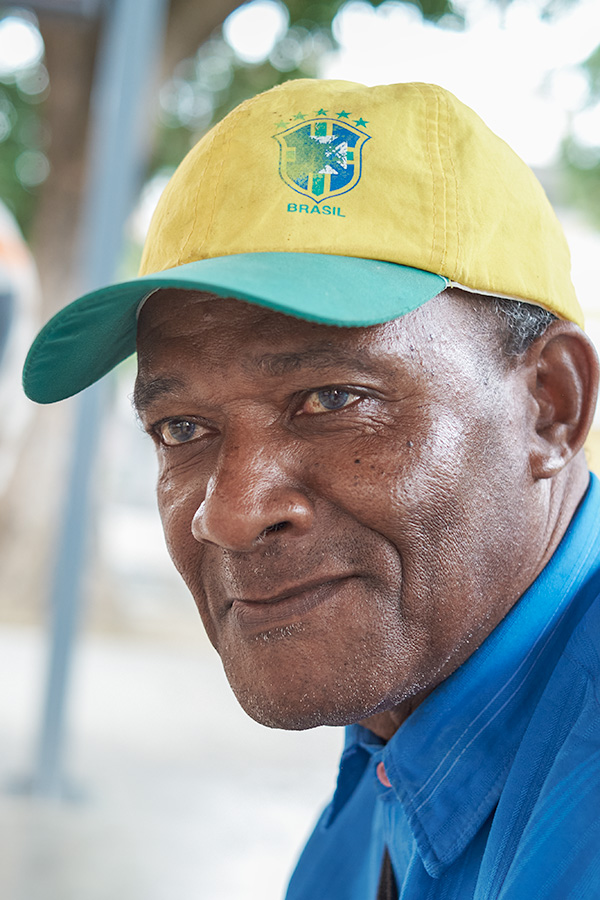
This man an Afro-Descendent? Yes, at least partly. In the demographic count would he be considered "Afro-Descedent"? Probably not. Would he self-identify as Afro-Descendent? Possibly, but the answer will depend on the person.
Note: The modern style for everyday wear is an American baseball cap.
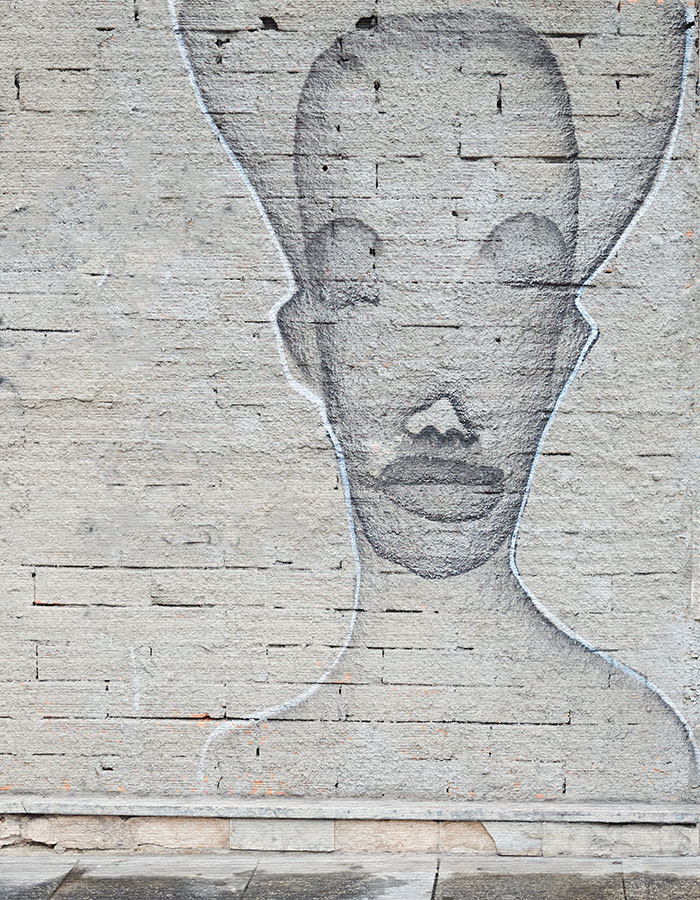
This is another graffiti showing the beauty of Afro features.
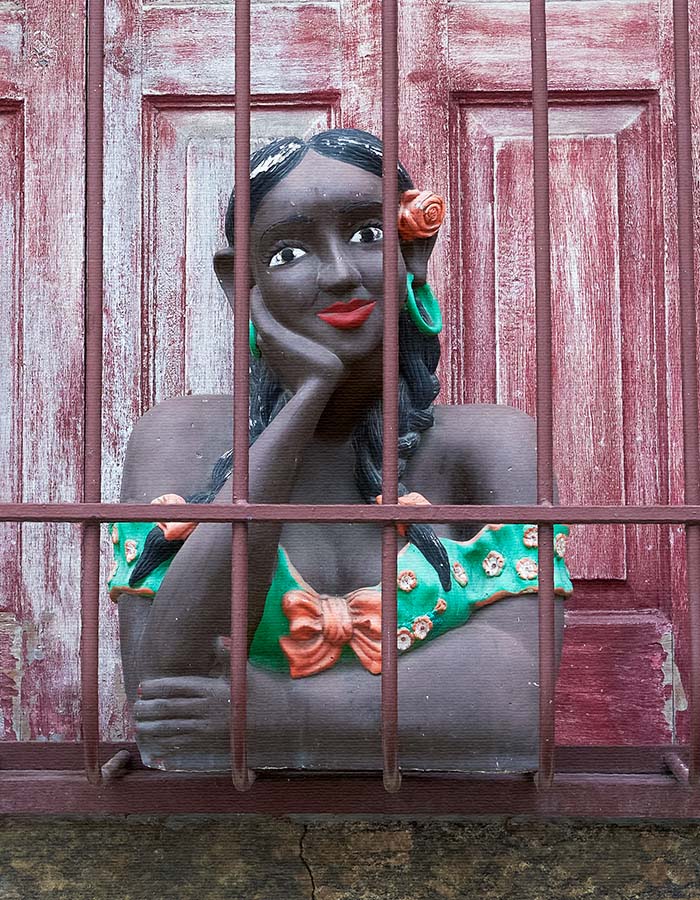
This is a light hearted take on the old Brazilian custom of sitting at the window, a custom more associated with women than men. There is even a word for it in Portuguese, janelando (window-ing). In the old style of Iberian residential architecture the house came right up to the sidewalk, or street. Sitting at the window you were connected to everything happening on the street. In American residential architecture the porch, in its day, served a similar purpose but more removed from the street.

This museum painting is a critique of Afro-Descendents that have not been adequately (in the opinion of the painter) forceful in defense of afro rights and dignity.
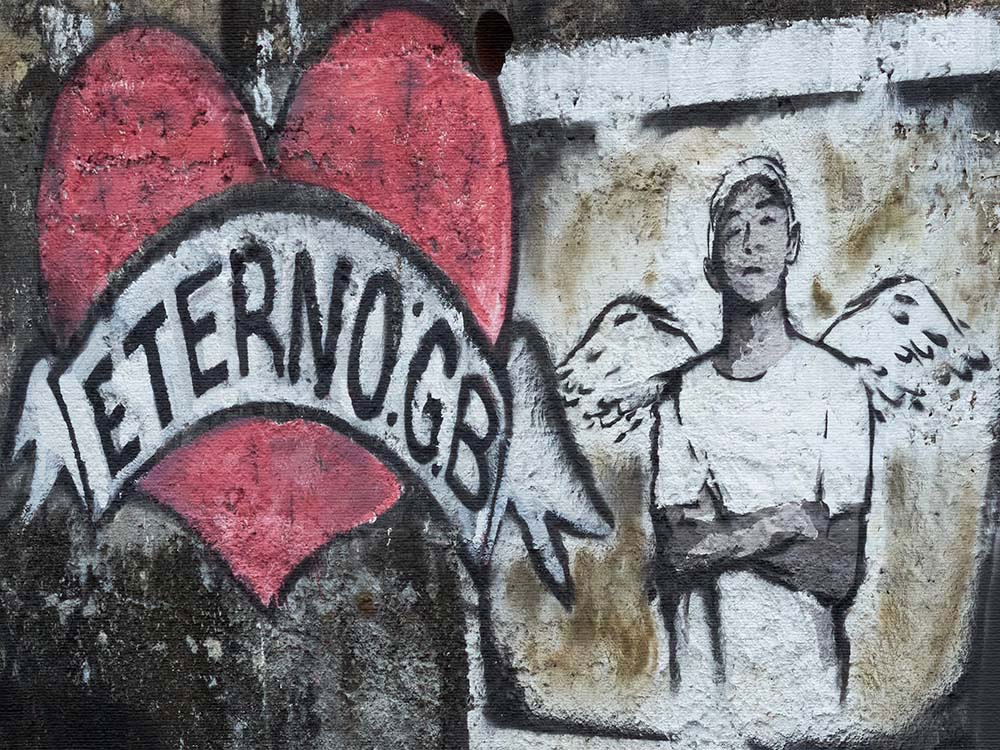
This is a painted memorial for a young man who probably died from gunfire or some other form of violence. Brazil suffers from terrible problems of public safety. Stray bullets are a leading cause of death in Brazil among adolescents. Read that again: Stray bullets are a leading cause of death...
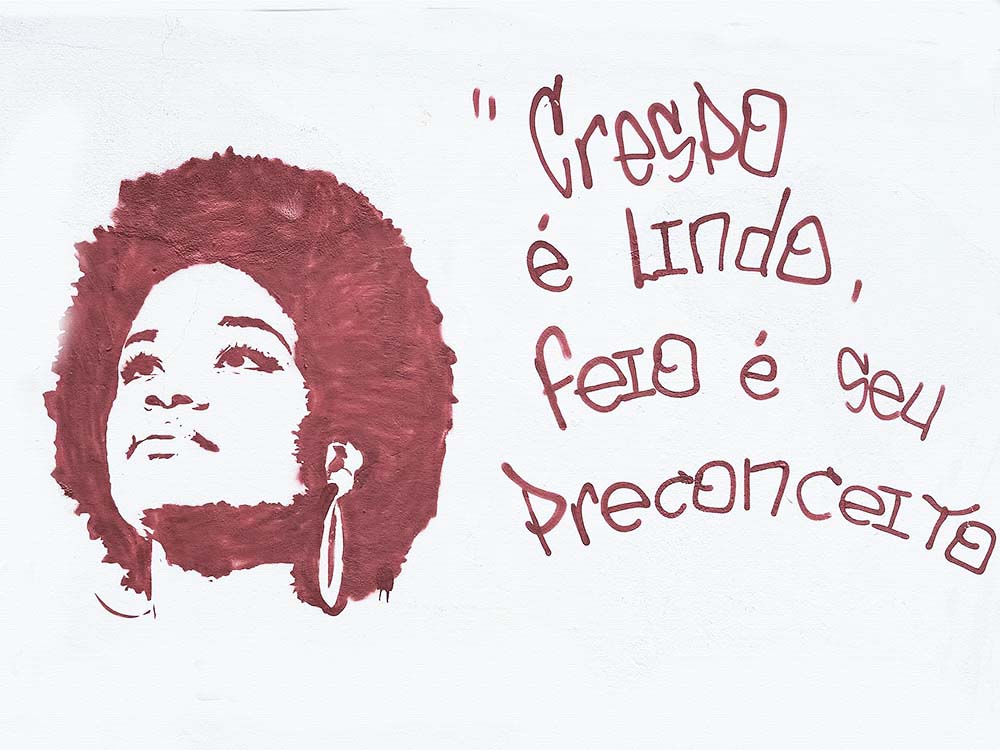
"Frizzy is beautiful, what's ugly is your prejudice" ...reads this graffiti that speaks against societal attitudes.
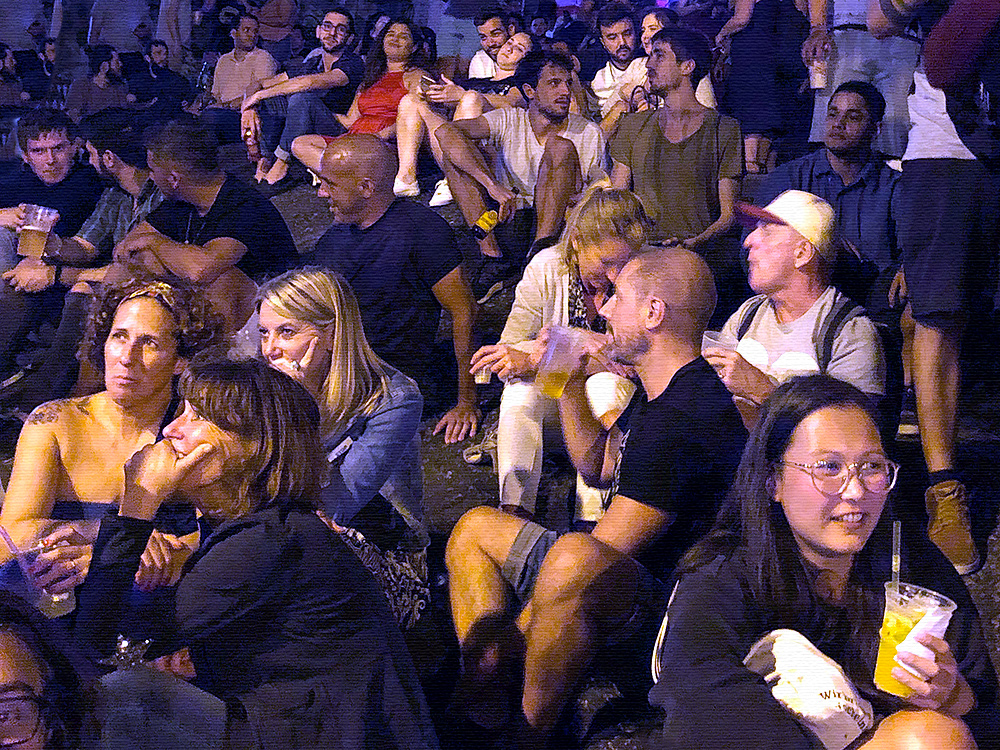
The Salt Rock's association with the days of slavery gives it powerful symbolism in the Afro-Descendent culture. It is a place of commemoration, celebration, and remembering. A weekly music night attracts tourists and locals as well as Afro-Descendents. This photo shows some of the diversity of those attending on the night I was there.
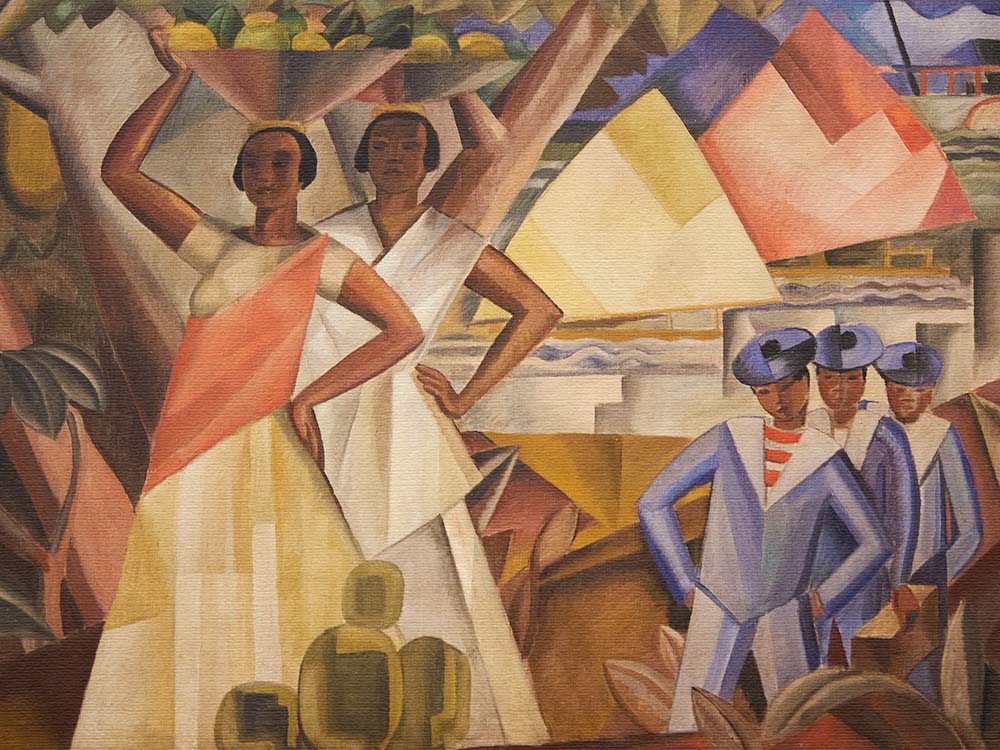
This painting hanging in a museum is included in the collection partly because I think it is a great piece of art, but also to show skin color as an expression of class in traditional Brazilian society. The ladies carrying fruit and the young sailors are all brown skinned.
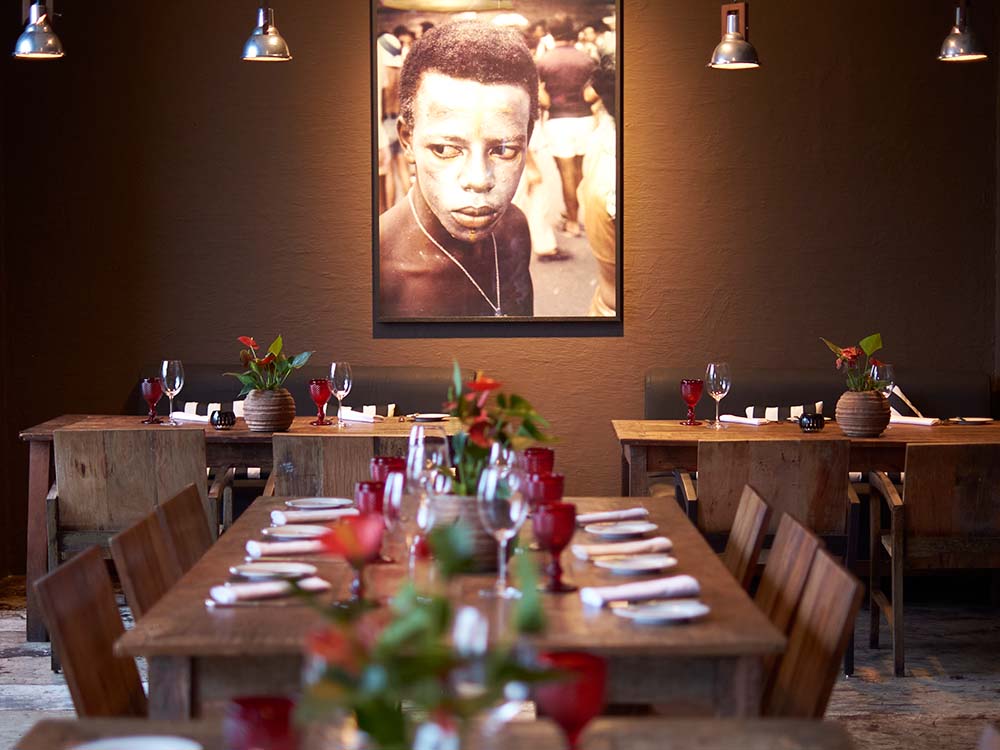
In the dining room of the Hotel Santa Teresa this photograph makes an interesting counter point, as does the rustic furniture, to the high prices on the menu. The Hotel Santa Teresa is in a bohemian area of Rio, but it is a high dollar establishment even by American or European standards.
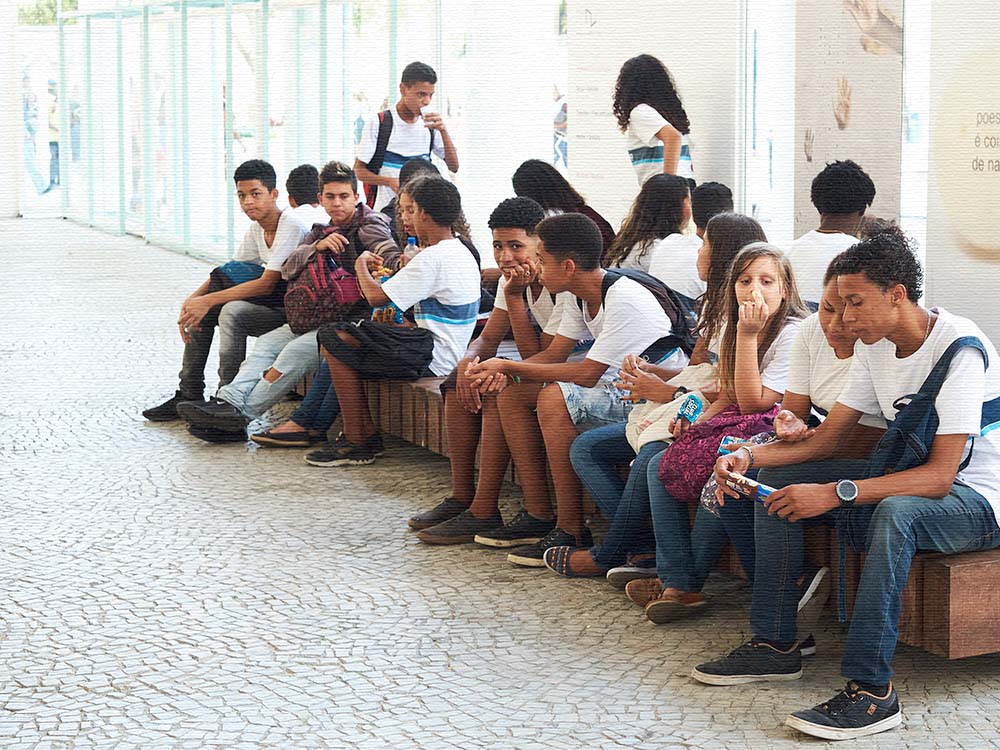
Lastly, this is a group of children that appear to be from a public school in Rio. Middle class families will send their children to private schools if they can, and upper-middle class families will certainly send their children to private schools. The school of these students requires a uniform, but we see that the uniform is simply a school t-shirt and this suggests a school with a lower income student body (and therefore is likely a public school). What we want to observe here, again, is the correlation between skin color and income and status in Brazil ...and, again, as we can equally observe in the United States.
Concluding Observations... Rio de Janeiro reverberates with life and art in a way I have not seen in any other part of the world, or in any other part of Brazil. Different cities have different enchantments, but Rio is a place living in the now where people feel authorized to simply relax and enjoy themselves. It has a way of life overflowing with art. Much of the art is great, some is not-great, but all of it exhibits a quality of enthusiastic self-expression that is captivating because of its sincere authenticity. But the art of Rio is not just "art" in the usual sense, it is also the art of fun spaces: bars, small cafes, live music. It is the art of gathering in the evenings in bars that overflow into the streets with friends enjoying each others company.
My general perspectives for Rio de Janeiro are formed mostly from my experiences in the bairro of Santa Teresa, a large area in the hills of the center of the city that is like a small town. It is where Rio's little street cars still run. From where I have stayed on my last visits in the apartment that I rent from my friends Rachel and Ricardo it is a 10 minute walk down hill to the business center of the city and the offices of the institute of my long-time friend Renata. If I were to focus on Copacabana or Ipanema my impressions would be different, at least in degree. Santa Teresa, on the other hand, is the bohemian side of Rio, the rive gauche of Brazil.
What does all this have to do with Afro culture, the topic of this page? Here is the answer: What is different about Brazil compared to Europe is the contribution to the national culture of what the slaves brought with them to the New World. In the United States there was, from the beginning, a physical separation of Afro-Desecendents from European descendents in a way that never occured in Brazil, and in Brazil there was social (and genetic) transmission between the races that influenced in both directions. Independent of the African blood quantum of any person or group of people in Brazil, the African cultural quantum is high. It is a foundational part of what Brazil is and who Brazilians are.

Rodger Randle
The photos on this page are © Rodger Randle .
OU Center for Studies in Democracy and Culture
Prof. Rodger A. Randle, Director of the Center
The University of Oklahoma Tulsa
4502 East 41st Street, Tulsa, Oklahoma 74135
E-mail:
randle@ou.edu
Click
here to visit our homepage.